Jackhouse Nature Reserve
Jackhouse Nature Reserve is a countryside site around a former drinking-water reservoir in the valley of Tinker Brook, about a mile from Oswaldtwistle town centre. It’s valued for nature conservation and for gentle walks through woodland, wetland edges and wildflower meadows.
What makes Jackhouse special
Former reservoir turned nature reserve
Reservoir built in the 1860s to supply drinking water; phased out in the 1980s and redeveloped as a nature reserve with re-graded slopes and reduced water depth.
Botanical interest
Designated as a Biological Heritage Site by Lancashire County Council (noted for mosses and liverworts).
Wildlife-rich habitats
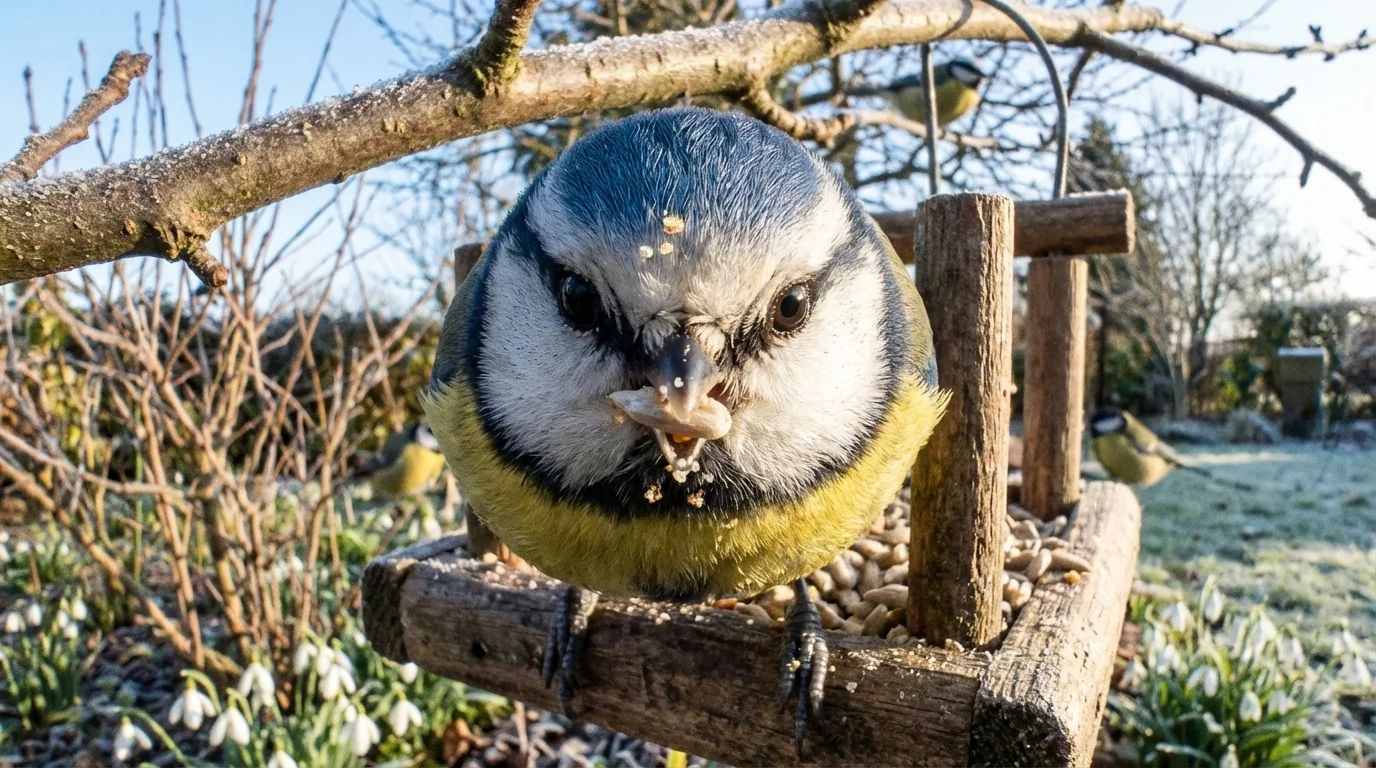
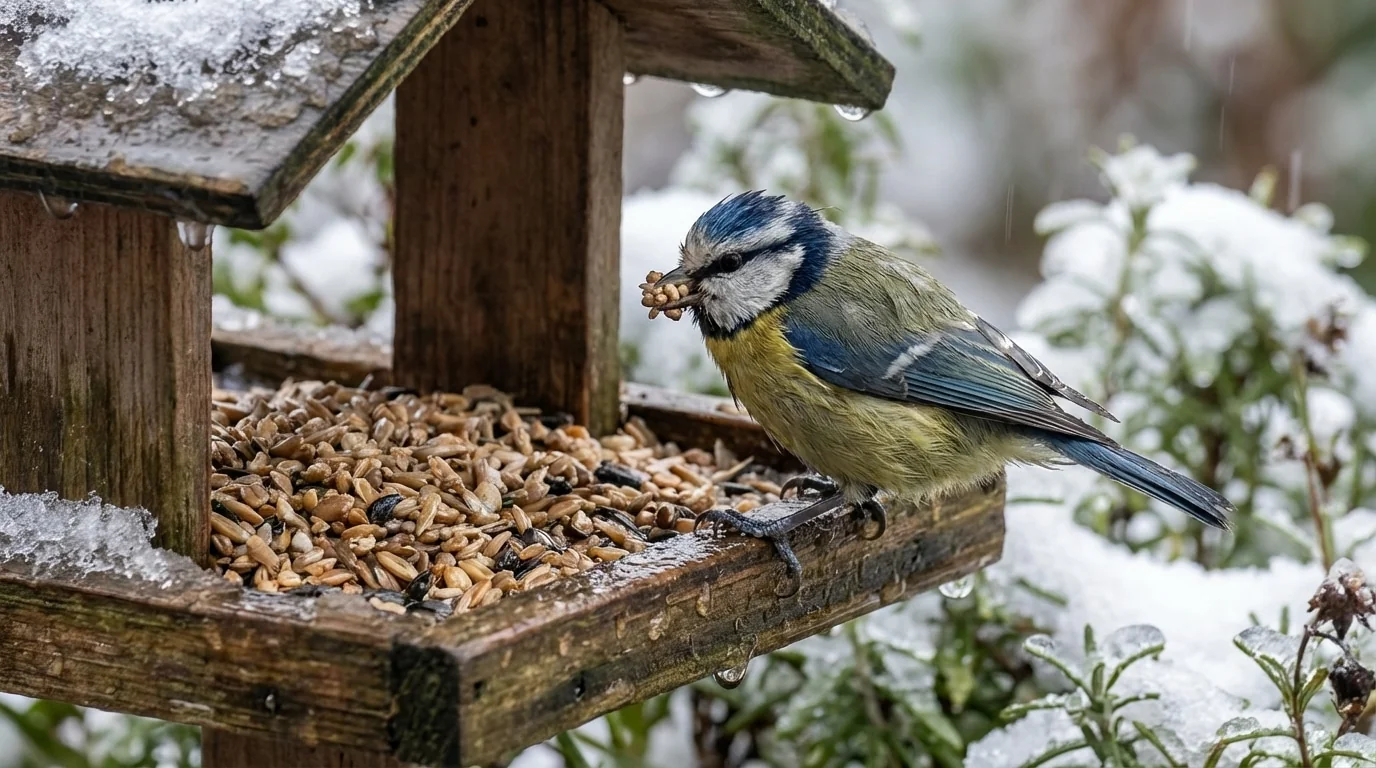
Typical sightings include Mallards, Moorhens, Goosanders, Grey Herons, Goldcrests, Treecreepers and more. See the full list and habitat notes on the wildlife page.
Overview
The reserve sits close to historic local routes such as Pot House Lane and Cobbs Lane. It is described by the local authority as a place for gentle countryside walks around the reservoir and through woodland.
The combination of water, woodland and meadow edges supports birds, amphibians and mammals. Ongoing management described by the council includes controlling invasive species and selective tree thinning to improve woodland health and structure.
Map
Map data © OpenStreetMap contributors. If the embedded search does not land exactly on the reserve, use the search box in OpenStreetMap for “Jackhouse Nature Reserve”.
Quick FAQ
Is there parking on site?
No. The council recommends parking on Fielding Lane (BB5 3RY) and walking 5–10 minutes down Pot House Lane.
Is it suitable for a short walk?
Yes. The council describes opportunities for gentle walks around the reservoir, through woodland and over meadows. Terrain can be uneven and muddy in places.
Why is it called “Jackhouse”?
The council notes the reserve is named after “Jackhouse”, one of the oldest buildings in the area, by historic route links near Pot House Lane and Cobbs Lane.