Imagine transforming your backyard into a sanctuary teeming with vibrant birdlife. What if the secret lies in something as simple as the strategic placement of a bird feeder? Discover the surprising reasons why the location of your bird feeder can turn your garden into a cherished haven for our feathered friends.
Why Birds Are Drawn to Your Garden
Birds are naturally attracted to environments that offer safety, sustenance, and shelter. But there’s more to it than just food on offer. Could the positioning of your bird feeder actually influence the variety and number of birds that visit? Many bird enthusiasts believe so, and here’s why.
The Science Behind Bird Behavior
Birds, like all creatures, are creatures of habit. They are drawn to areas where their survival needs are met. With their keen sense of sight, birds can spot food sources from afar. But what happens once they’re within striking distance? The environment around the feeder could be just as crucial as the feed itself.
Studies suggest that birds prefer feeders placed in quiet, sheltered areas that offer a quick escape route from predators. This means that the feeder’s location in your garden can either invite a host of avian visitors or leave them uninterested.
Optimal Placement: The Key to a Bird-Friendly Garden
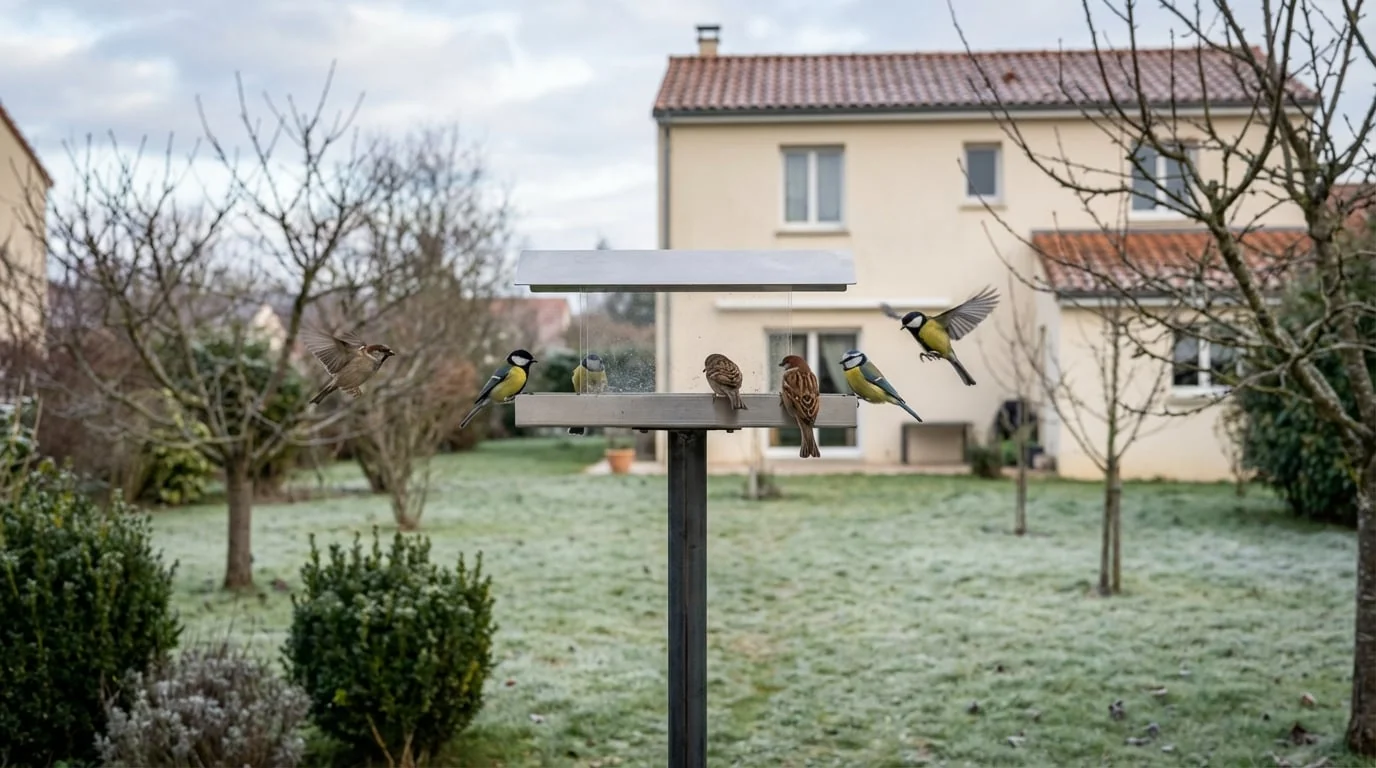
So, where exactly should you place your feeder to maximize bird visits? Think like a bird: Consider safety, visibility, and accessibility. These factors play a pivotal role in attracting diverse bird species.
Safety First: Protecting Birds from Predators
The presence of predators, such as cats or hawks, can heavily deter bird visits. Placing feeders near natural cover like bushes or trees can provide a quick escape for birds, reducing stress and increasing the likelihood of frequent visits. However, ensure that these hiding spots don’t become launch pads for predators either.
Accessibility: Making It Easy for Birds to Visit
Besides safety, ease of access is another critical factor. A feeder that is too high or too obscured by foliage might be overlooked by many species. Position feeders at a height and openness where birds can easily spot and navigate to them.
Creating the Ideal Bird Environment
Once your feeder is perfectly positioned, it’s time to enhance the environment around it. What can make your garden even more inviting to birds? Think beyond just food; water sources and nesting materials can make a significant difference.
Water Sources: A Vital Attraction
Birds need water for drinking and bathing. Adding a birdbath or a small pond can exponentially increase the attractiveness of your garden. Consider positioning the water feature within sight of the bird feeder, encouraging birds to linger longer in your garden.
Providing Nesting Materials
Incorporate natural elements like twigs, grass clippings, or even pet hair to provide nesting materials. These can encourage birds not only to visit but to consider your garden as a potential home. Imagine having the privilege of watching a family of birds grow right in your backyard!
The Role of Seasonal Changes
As the seasons change, so do the needs and behaviors of birds. How can you adapt your garden to continue attracting birds year-round? Understanding these shifts can help maintain your garden’s allure through all seasons.
Winter: The Season of Necessity
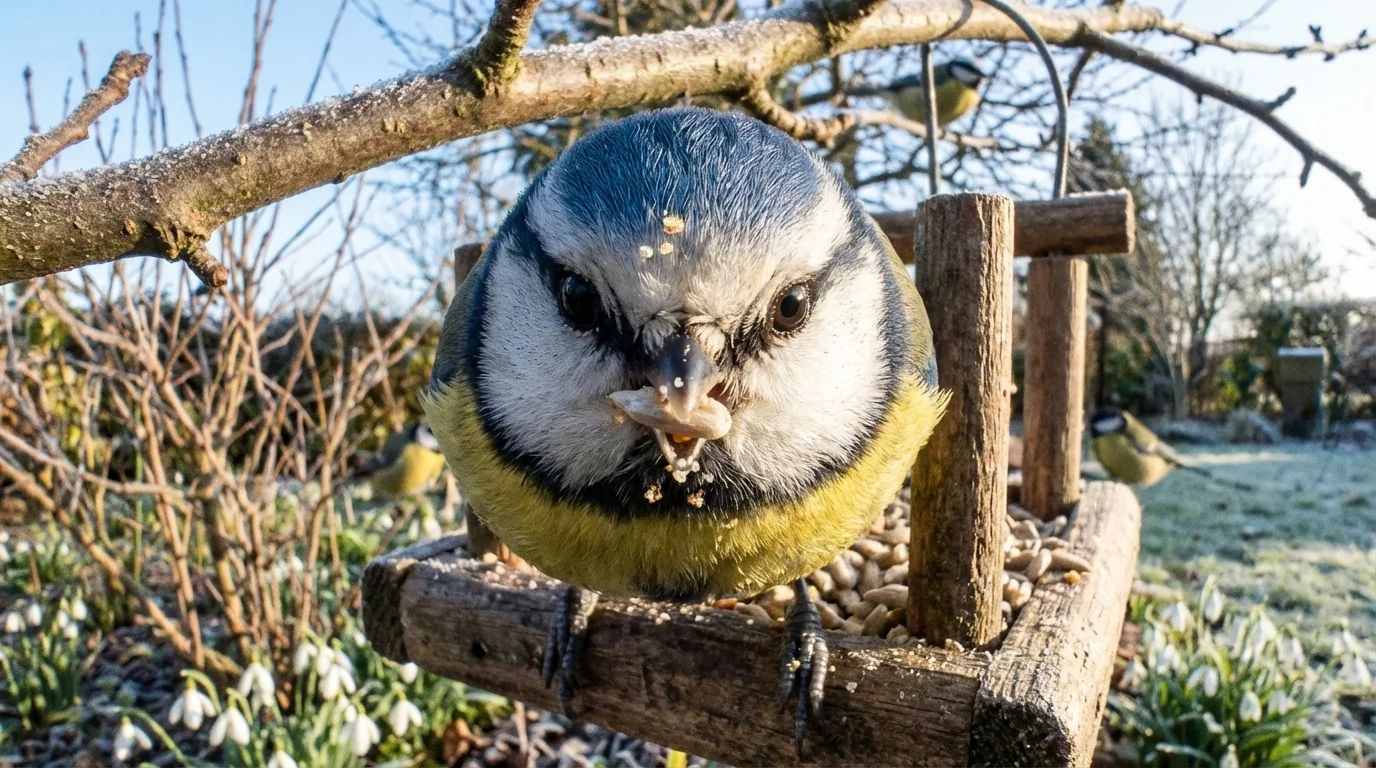
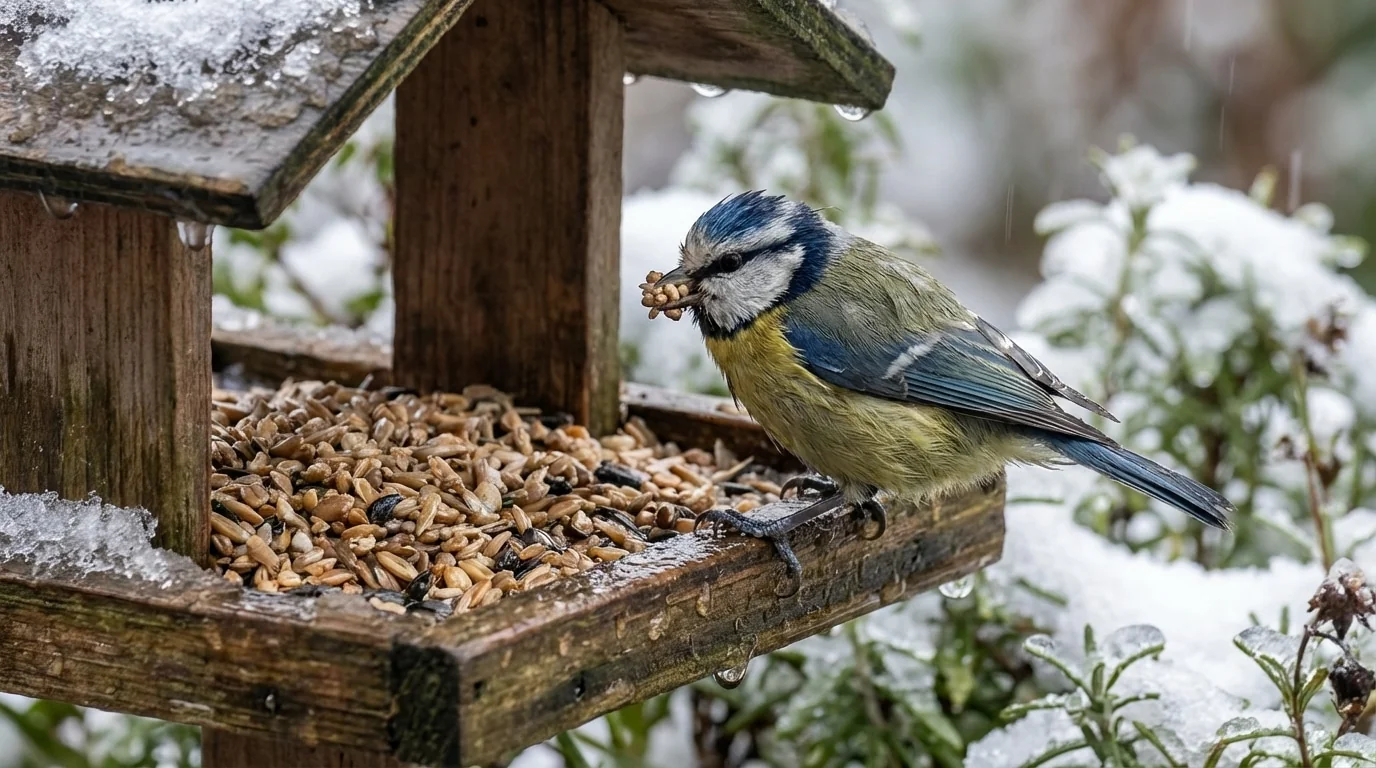
During the colder months, natural food sources diminish. This is when a well-stocked feeder becomes a lifesaver for many birds. Ensure that your feeder is accessible even in snow and that it’s stocked with high-energy seeds like sunflower seeds or suet to provide the necessary calories.
Spring and Summer: Breeding and Abundance
As temperatures rise, birds might prefer softer foods and live insects, which are abundant in spring and summer. Adjust your feeder’s offerings to include these, while also keeping the water sources plentiful as the days warm up.
Common Mistakes to Avoid
Even the best-laid plans can go awry. What common pitfalls should you avoid to ensure your garden remains a haven for birds? Here are some pitfalls to watch out for:
- Ignoring Feeder Cleanliness: A dirty feeder can spread diseases among birds. Regular cleaning is crucial.
- Overcrowding Feeders: Too many feeders in one area can lead to territorial disputes among birds.
- Neglecting Seasonal Adjustments: Failing to adjust food types and feeder positions according to the season can reduce bird visits.
Conclusion: Your Garden as a Bird Paradise
By strategically placing your bird feeder and creating an inviting environment, you can transform your garden into a sanctuary buzzing with life. What starts with one simple change can lead to a vibrant ecosystem right outside your window. With a little effort, you can enjoy the beauty of nature while supporting local bird populations in a meaningful way.