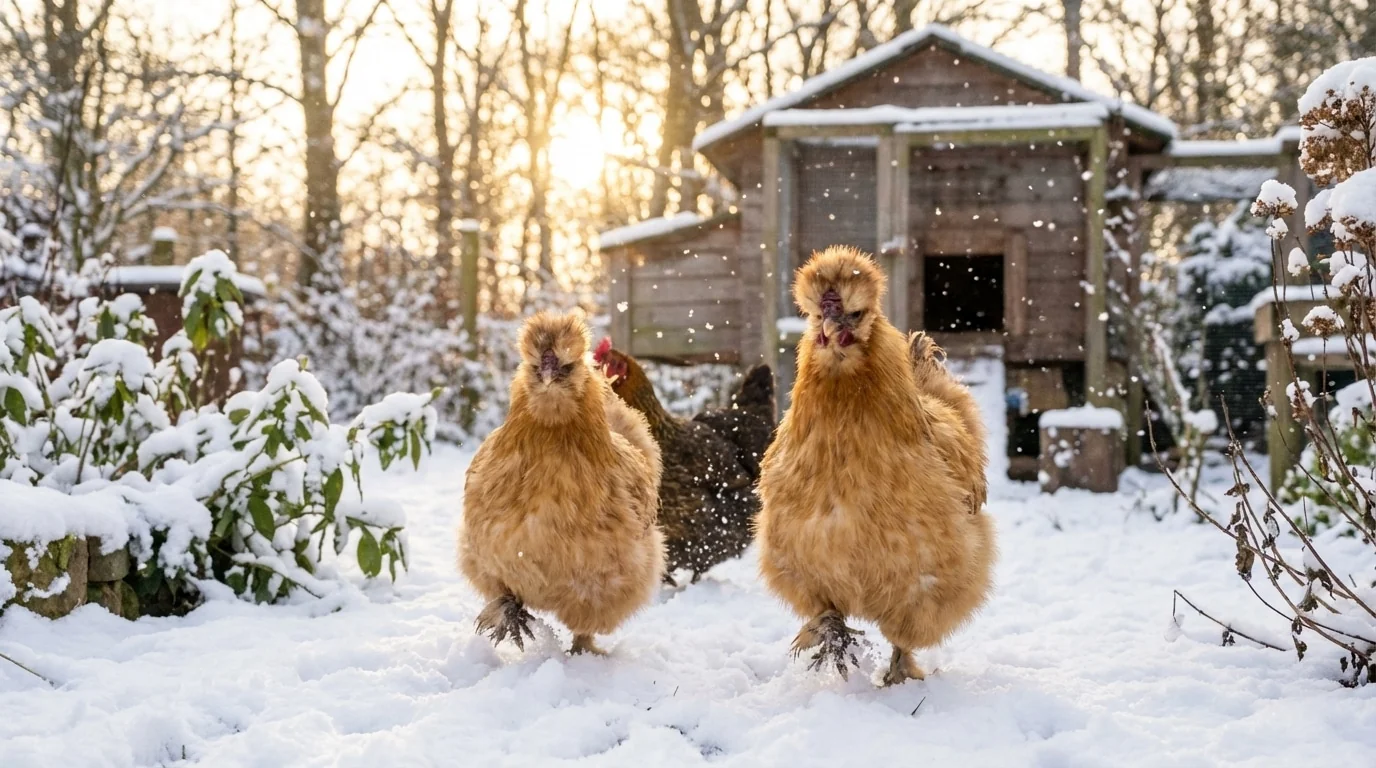
As the chill of winter grips the landscape on January 31, 2026, the atmosphere in the chicken coop might seem rather bleak. Short days and frosty grounds define this time, with gardens usually teeming with life now lying dormant. This season is crucial for poultry, as they lack their usual natural activities, clustering together in a motionless state. But what if there was a simple, cost-effective way to transform this lethargy into vibrant activity without increasing their feed?
Winter Blues: How Inactivity Can Affect Your Flock
Winter brings more than just cold; it introduces a deep-seated boredom. In a dormant garden, the chances to scratch for worms or fresh sprouts are scarce. The hard, frosty ground hinders their natural exploratory behavior, leading to accumulated frustration. This inactivity can lead to two major issues: obesity, due to reduced calorie burn, and feather pecking. Bored chickens might start plucking each other’s feathers out of sheer frustration. It’s vital to simulate their food-searching activity to maintain social peace and mental health.
The Food Ball: A Playful Solution to Reignite Their Foraging Instinct
The answer lies in a well-known concept among animal caretakers: environmental enrichment. Implementing this in your garden doesn’t require sophisticated equipment. By introducing a ball with holes filled with seeds or cut vegetables, you stimulate activity and prevent winter boredom. Whether purchased from a pet store or homemade with a sturdy plastic ball, this device changes mealtime dynamics.
Instead of receiving treats from a static bowl, chickens must learn to push, peck, and roll the ball to release the reward. This simple mechanism instantly ignites their natural curiosity. Watching a chicken chase a seed-dispensing ball transforms the coop into an interactive play space, breaking the monotony of gray January days.
Clever Treats: What to Fill the Ball With to Thrill Your Flock
To maintain interest, the contents of the ball need to be enticing and varied. The goal is to provide nutritious foods that help combat the cold without disrupting their overall diet. Choose foods slightly smaller than the ball’s holes to ensure they don’t come out too easily, requiring the birds to work for their meal.
- Dried mealworms: Rich in protein, perfect for cold seasons.
- Cracked corn: Excellent for providing thermal energy.
- Small cubes of pumpkin or squash: Preserved from the fall harvest.
- Sunflower seeds: Loved for their high lipid content.
It’s clever to rotate the contents daily. This keeps the element of surprise and ensures the chickens don’t tire of their new playful feeder.
The Hidden Health Benefits of Enrichment
Beyond mere entertainment, this strategy has significant physiological benefits. Exercise is the best natural way to combat the cold. By chasing the food ball, chickens boost their blood circulation and metabolism, generating their own body heat. An active chicken withstands winter temperatures far better than one perched in inactivity.
Moreover, this exercise promotes good digestion and helps prevent excessive abdominal fat gain, common in winter when dietary intake exceeds energy expenditure. It’s an ecological and natural way to keep your flock in optimal physical condition, reducing the risk of sedentary-related illnesses.
A Daily Ritual for Happy, Healthy Chickens
To maximize the benefits of this enrichment, consistency is key. Establish this ritual mid-day, around 2 p.m., to break the afternoon’s length before the early sunset. This is often when boredom sets in most strongly. Simply fill the ball and toss it into the enclosure for 30 to 45 minutes of intense occupation.
Remember to remove the ball once it’s empty or as night falls to avoid attracting unwanted rodents to the coop. A quick hot water rinse once a week ensures perfect hygiene. Maintaining this habit until the first days of spring will have your chickens ready for the season, fit, and eager to resume their role in the garden, hunting slugs.
Turning feeding into an active game with a simple dispenser ball is a minimal investment for immense returns on animal welfare. Try this method tomorrow to see your chickens regain their vigor and dynamism.