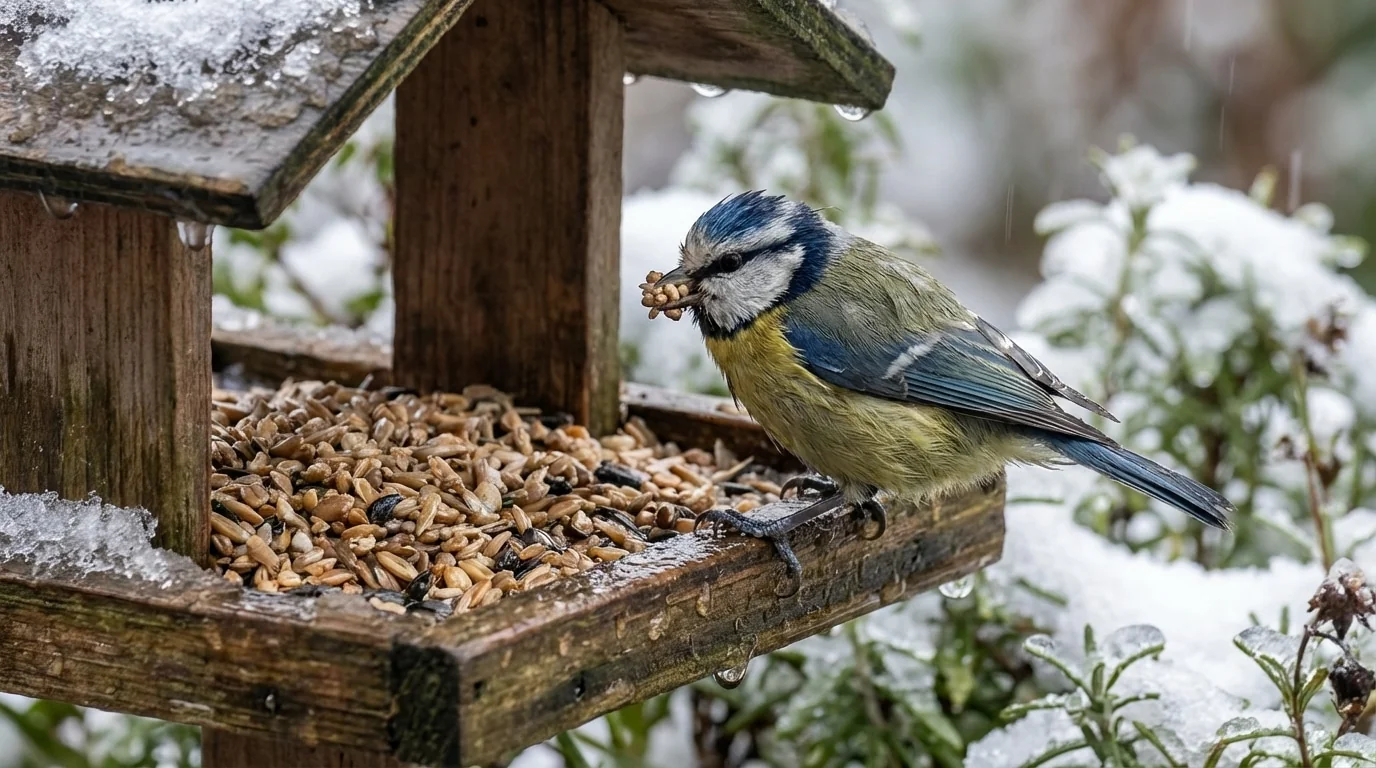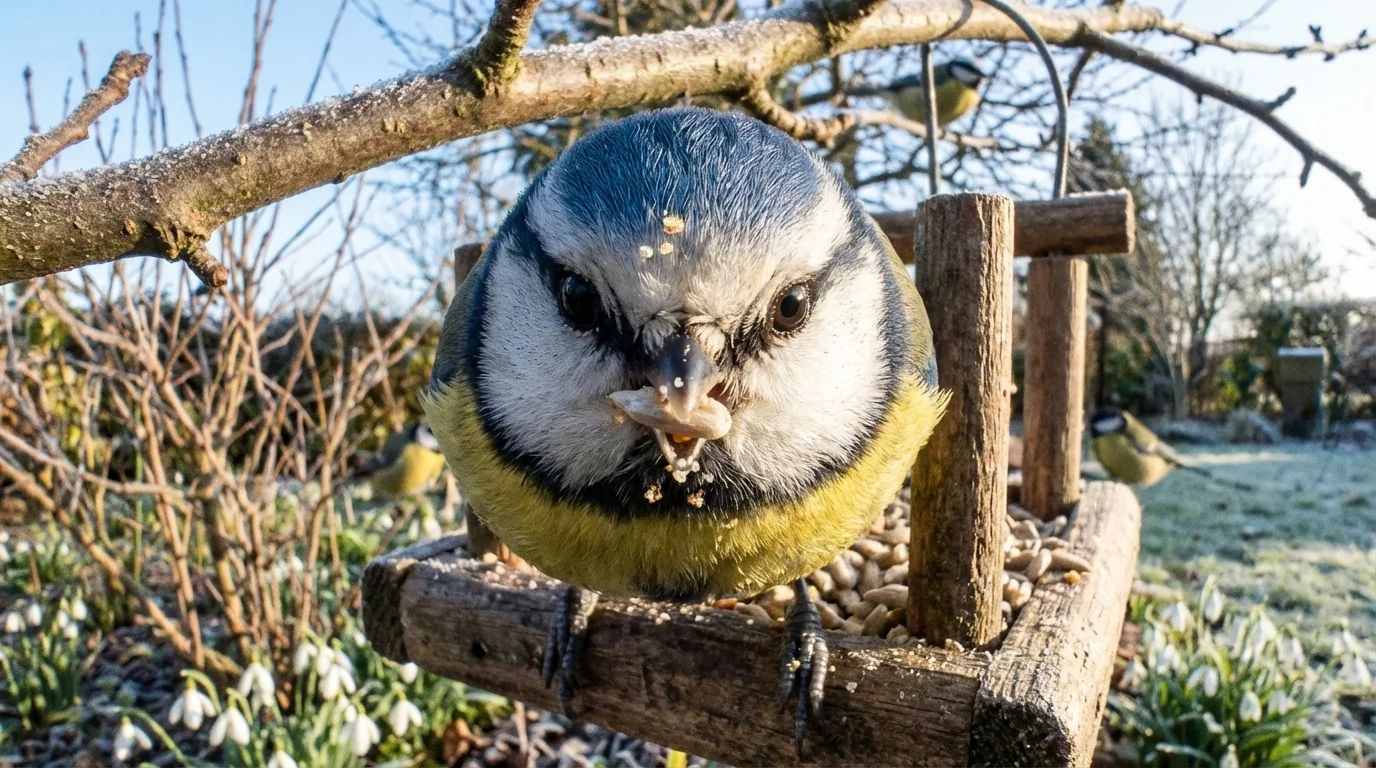
As the days gradually grow longer and the first buds begin to peek out at the start of February, a familiar scene continues to enchant our gardens: the endless dance of tits and robins around the bird feeders. It’s a spectacle that never fails to delight us, as we believe we are offering them crucial support to survive the harsh winter. However, during this pivotal time of year, our generosity could unwittingly turn into a trap. There comes a precise moment, dictated by nature’s unchanging rhythm, when it’s imperative to alter our habits. Continuing to fill bird feeders automatically could have unexpected consequences on the health and behavior of our feathered friends.
The Well-Intentioned Mistake: Why an Abundance of Food Becomes a Deadly Trap When Spring Returns
What seems like a harmless, even life-saving act—providing sunflower seeds or fat balls—becomes second nature to any gardener mindful of biodiversity. However, extending artificial feeding beyond the coldest months disrupts ancient biological mechanisms. By maintaining an abundance of easily accessible food, we risk creating a dangerous dependency.
Birds accustomed to this energy-rich bounty may lose their natural incentive to explore their territory for sustenance. This artificial comfort diverts them from their crucial ecological role: regulating pests in our gardens and orchards. Furthermore, an excessive concentration of birds around the same food source as temperatures rise can lead to the rapid spread of bacterial or parasitic diseases, turning a peaceful haven into an infectious hotspot.
The Temperature Tells No Lies: Watch for the Critical 5°C Mark and the Return of Insects
The signal to stop isn’t guessed; it’s observed. The golden rule followed by ornithologists and savvy gardeners hinges on a simple indicator: temperature. As soon as the mercury consistently stays above 5°C, nature begins its awakening.
This relative mildness, though it still feels chilly to us, is enough to awaken some of the soil’s macrofauna and the first insects. It’s precisely when natural food becomes available again. Spiders, small beetles, and larvae emerge from their slumber. It’s crucial to gradually stop feeding the birds now, to avoid disrupting their food independence. Continuing intense feeding as temperatures rise means denying the natural cycle we strive to protect.
Closing the Restaurant Without Starving Regulars: The Gradual Weaning Technique to Reawaken Their Hunting Instinct
It’s crucial not to abruptly remove bird feeders overnight, which would be a harsh shock for creatures used to dining at the same spot daily. The transition should be executed with care and observation. The recommended method is to gradually reduce the portions.
Practically, instead of filling the feeders to the brim every morning, reduce the distributed quantity by about a quarter every three or four days. Another tip is to space out the refilling days. If birds find empty feeders every other day, their foraging instinct will kick in, prompting them to scour bark, hedges, and garden soil. This exercise is essential for honing their hunting skills before the critical nesting phase.
From Seeds to Protein: Letting Nature Dictate the Essential Diet Change for Future Chicks
One of the most crucial reasons to cease winter feeding relates to the physiology of future chicks. Fat balls and seeds, rich in lipids, are perfect for withstanding the cold but unsuitable, or even dangerous, for the growth of chicks born in spring. Young birds absolutely require animal proteins to grow, not plant fats.
If parents continue to have easy access to artificial food, they risk, out of convenience, feeding their offspring these unsuitable foods, leading to severe deficiencies or choking hazards. By forcing adults to hunt insects at winter’s end, we ensure they will be ready to provide the necessary carnivorous diet (caterpillars, aphids, worms) to their brood. This is an immense service rendered to the future generation that will inhabit our gardens.
Trading Fat Balls for Water Points and Shelters: The New Strategy to Support the Breeding Season
Stopping feeding doesn’t mean ceasing support. Quite the contrary, the gardener’s aid should simply change form. In February, as couples begin forming and scouting nesting sites, access to water becomes as strategic as food. Installing or maintaining a clean birdbath with regularly refreshed water becomes a biodiversity magnet.
Meanwhile, it’s the perfect time to clean existing nest boxes or install new ones, which can be easily found at garden centers or homemade. Providing a secure shelter, safe from predators and elements, is a far better substitute for distributing seeds. Planting berry shrubs or dense hedges will also offer natural shelter and sustenance for seasons to come, embedding the gardener’s actions in sustainability.
By respecting this biological timetable and gradually removing feeders once the 5°C mark is surpassed, we return to birds their wild freedom. Allowing them to regain their autonomy fosters a resilient and balanced ecosystem in the heart of our gardens.