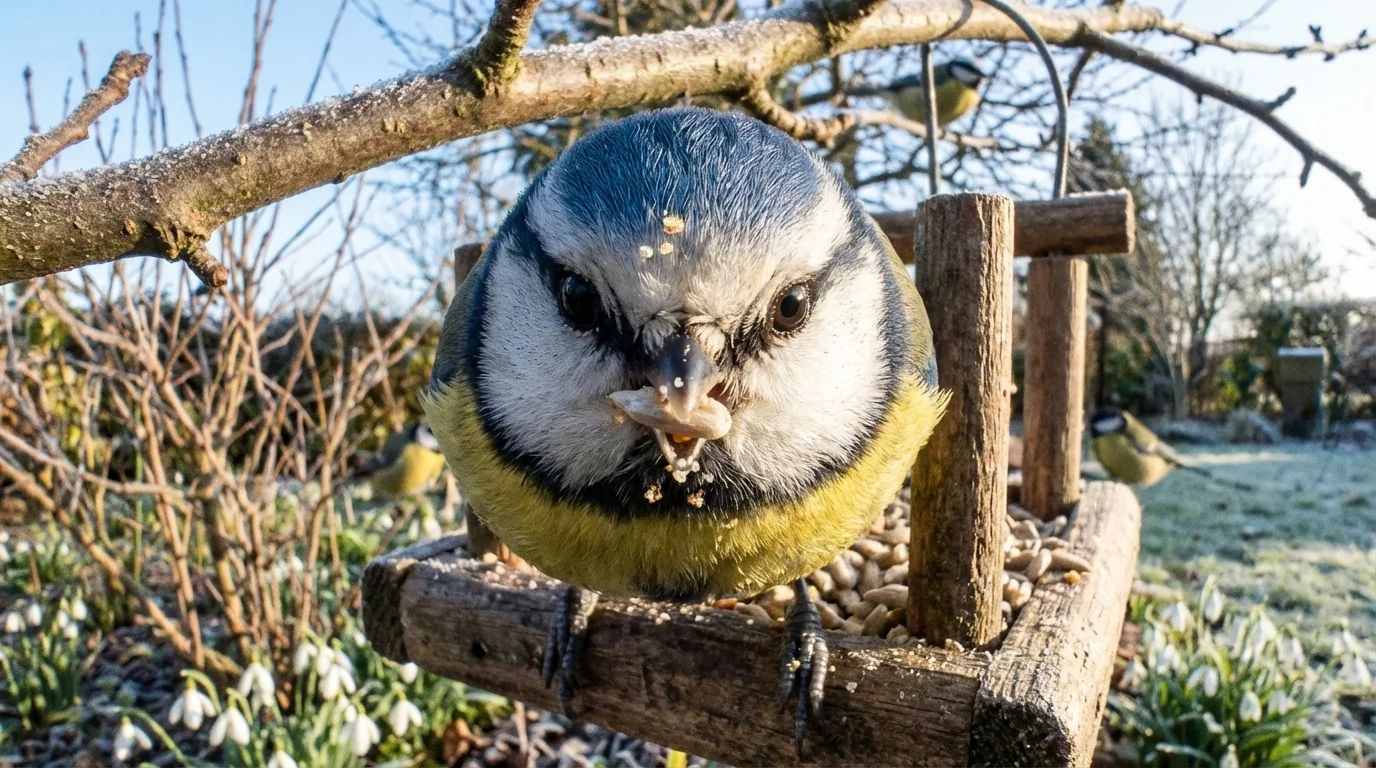
As winter tightens its grip, and gardens seem to fall into a deep, grey slumber, a lively spectacle unfolds at bird feeders, drawing us to our frosty windows with the promise of animated encounters with nature. For many, generously filling bird feeders is a cherished winter tradition, intended to help our feathered friends brave the cold. Yet, an unseen danger lurks, threatening sparrows, robins, and other small birds: moisture. What begins as a well-meaning intention to nourish local wildlife can unwittingly become a perilous trap. So, what can you do to transform your garden into a safe haven for biodiversity?
A Caring Gesture That Can Turn Into a Health Nightmare
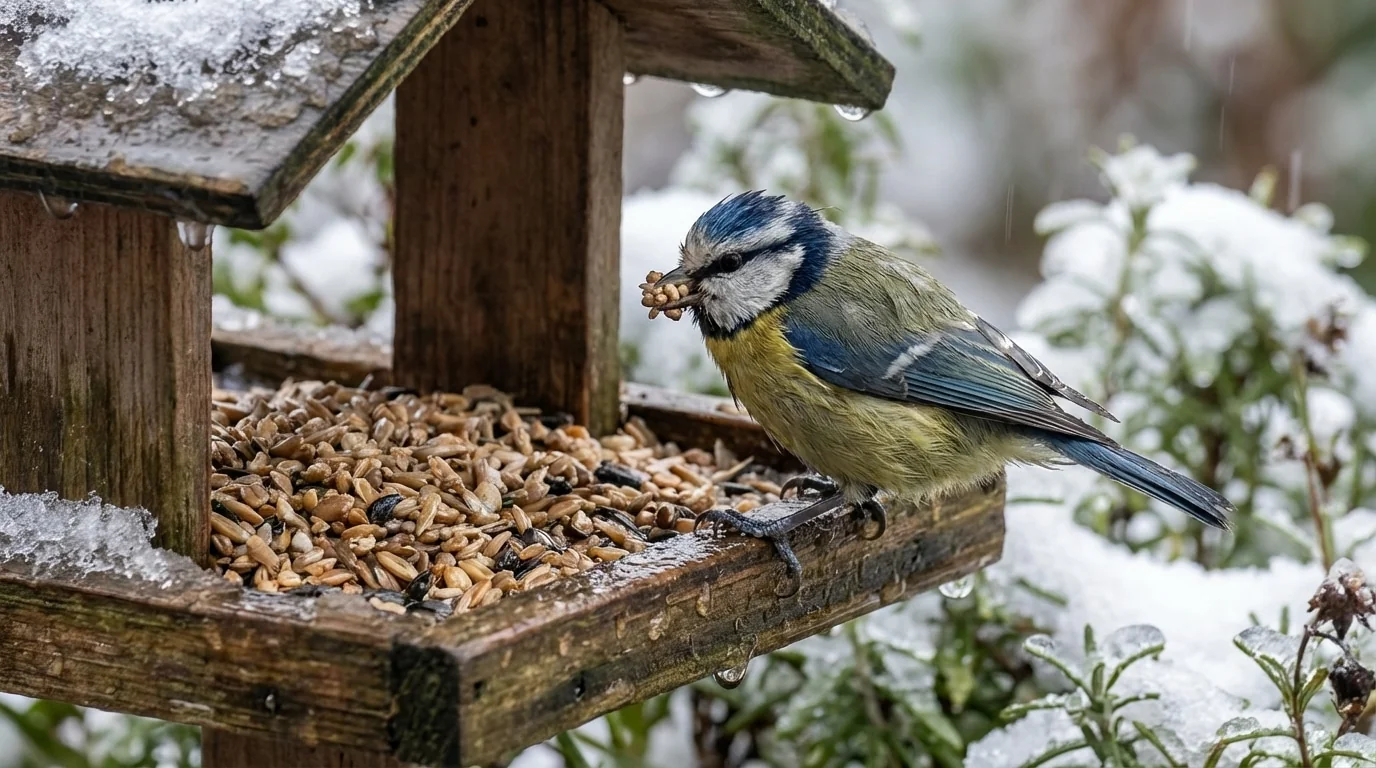
Feeding birds during winter is a long-standing practice among environmentally conscious gardeners, but it often comes with a common oversight: the weather. When rain, snow, or ambient humidity infiltrate bird feeders, the quality of the food is compromised. This issue becomes particularly acute around late January, when harsh weather is frequent, and natural resources are scarce. But why does moisture present such a threat?
It’s more than just a wasteful problem or an aesthetic blight. A damp seed rapidly loses its nutritional value and, worse, becomes a breeding ground for pathogens. The amateur gardener, aiming to offer an energy-rich feast, might instead provide degraded food that fails to support birds through icy nights. Incorporating awareness into daily garden maintenance is as crucial as protecting your flower beds from frost.
The Silent Menace: Mold and Bacteria’s Unseen Feast
Moist grains harbor dangers unseen by the naked eye. Stagnant moisture accelerates fermentation, creating an inviting environment for mold (such as aspergillus) and harmful bacteria like salmonella. These microorganisms can cause severe respiratory or digestive illnesses in birds already weakened by the cold. Have you ever noticed dark, sticky clumps of seeds in your garden or on your terrace? That’s a clear warning sign.
Consuming these toxic seeds places birds in immediate danger. It starkly contrasts with the wholesome, eco-friendly image one wishes to uphold in their garden. It’s imperative to promptly remove any spoiled food to prevent a chain reaction of contamination among the birds that frequent your feeding station.
The Frost Trap: When Food Becomes Inaccessible
The other side of the winter trap emerges when temperatures plummet after rain. Water absorbed by seed mixtures freezes, forming rock-hard blocks. For a small bird, every calorie is vital for maintaining body heat, and trying to extract seeds from an icy mass is an enormous and often futile energy expenditure. How can you ensure your feathered visitors aren’t left starving?
This situation drastically limits their access to nutritious food exactly when they need it the most. A bird exhausting itself on a frozen feeder is a doomed bird. Designing a zen or natural garden entails anticipating these climatic variations to ensure that your aid doesn’t turn into a source of frustration and exhaustion for wildlife.
Invest in the Right Equipment to Keep Feed Dry
Fortunately, there are solutions to these problems, allowing you to enjoy birdwatching without worry. Choosing the right equipment is crucial. Opt for silo-type feeders made of durable plastic or metal, available at specialized gardening stores. These models limit contact between seeds and moist air, unlike open trays that expose food to rain and droppings.
Placement is also key when setting up your outdoor space. Position feeders away from prevailing winds, under the protective shade of eaves, or within a dense hedge to reduce exposure to the elements. For small gardens or balconies, using protective domes above feeders is a simple yet effective strategy to divert rain and keep the pantry dry.
Practical Tips for Safe and Risk-Free Feeding
To ensure bird safety while minimizing maintenance, adopt a few best practices. The goal is to adapt distribution to actual consumption and weather conditions. Here are some tips for a hazard-free winter:
- Portion control: Provide only the amount of seeds that will be consumed in a day (about a handful per feeder). This prevents leftovers from sitting in humidity overnight.
- Regular cleaning: Empty and scrub feeders at least once a week with hot water and mild disinfectant to remove fermented residues.
- Choose the right foods: During particularly wet periods, opt for vegetable fat blocks or suet cakes, which withstand moisture better than loose sunflower seeds.
- Check for drainage: Ensure your feeding trays have drainage holes to prevent water from collecting and soaking seeds from below.
By following these guidelines, the amateur gardener ensures that their actions remain beneficial. It’s also an opportunity to rethink natural design by incorporating berry bushes that provide natural, climate-protected food.
Protecting garden birds goes beyond buying a bag of seeds: it requires constant attention to hygiene and weather conditions. Keeping food dry and accessible is key to turning your green space into a truly secure refuge. By monitoring feeder conditions this winter, you’re giving your feathered companions a real chance of survival. What strategies do you employ to shield your garden’s wildlife from weather whims?