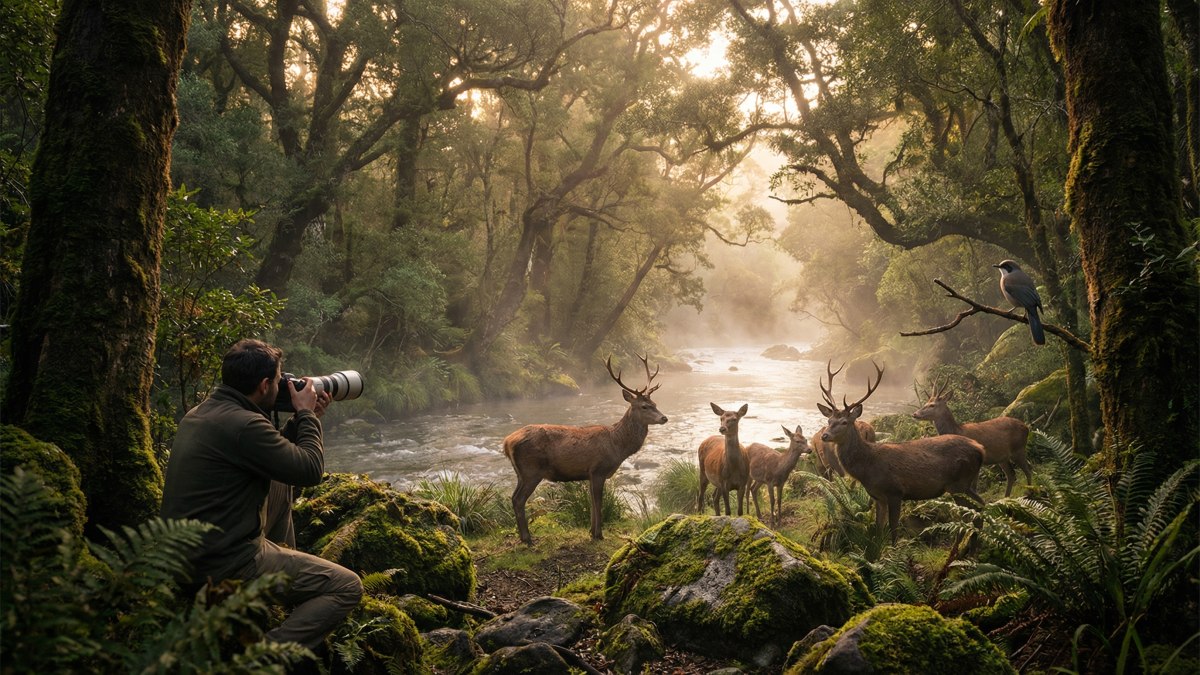
In the race against time to preserve our planet’s biodiversity, protected areas have become bastions of hope. These sanctuaries, like the Jackhouse Nature Reserve, are not only safeguarding wildlife but also accelerating their recovery much faster than anticipated. The silent comeback of nature in these areas is a testament to the effectiveness of conservation efforts.
The Role of Protected Areas in Wildlife Conservation
Protected areas are designated regions that receive legal protection due to their recognized natural, ecological, or cultural values. They play a vital role in preserving biodiversity by providing safe havens for various species. The significance of these areas has become increasingly apparent as they serve as the frontline defense against habitat loss, pollution, and climate change, ensuring that ecosystems continue to thrive.
Jackhouse Nature Reserve: A Success Story
Jackhouse Nature Reserve is a prime example of how quickly wildlife can recover when given the chance. Once a struggling habitat, the reserve has witnessed a remarkable resurgence in flora and fauna. This transformation is attributed to strategic management practices and the commitment of conservationists who have worked tirelessly to restore the natural balance.
Factors Contributing to Wildlife Comebacks
The success of areas like Jackhouse Nature Reserve is not a mere stroke of luck. Several critical factors contribute to this rapid recovery of wildlife:
- Strict Protection Measures: Implementing and enforcing laws to prevent poaching and illegal logging have been crucial in safeguarding the natural habitat.
- Ecological Restoration: Efforts to restore native vegetation and rehabilitate damaged areas have provided the necessary environment for species to flourish.
- Community Involvement: Engaging local communities in conservation efforts has fostered a sense of ownership and responsibility towards preserving these natural spaces.
- Research and Monitoring: Continuous research and monitoring allow for adaptive management strategies that respond to the needs of the ecosystem in real-time.
A Boost for Biodiversity
The rapid recovery of wildlife in protected areas is more than just a local success; it has broader implications for global biodiversity. As species populations stabilize and grow, they contribute to the genetic diversity necessary for resilience in the face of environmental changes. Furthermore, healthy ecosystems offer numerous benefits, including carbon sequestration, water purification, and recreational opportunities.
Challenges and Future Directions
Despite the successes, protected areas face ongoing challenges. Climate change remains a looming threat that could undermine conservation efforts. Additionally, limited funding and resources can hinder the expansion and maintenance of these crucial habitats. Future conservation strategies must address these issues while continuing to foster collaborative efforts among governments, NGOs, and the private sector.
Innovative Approaches to Conservation
To sustain and enhance the positive outcomes seen in places like Jackhouse Nature Reserve, innovative approaches are essential. This includes integrating technology in conservation practices, such as using drones for monitoring and employing data analytics to predict and mitigate threats. Moreover, expanding partnerships across sectors can lead to creative solutions and increased funding for conservation initiatives.
Conclusion
The remarkable recovery of wildlife in protected areas like Jackhouse Nature Reserve underscores the importance of dedicated conservation efforts. These areas not only provide refuge for threatened species but also demonstrate the resilience of nature when given a chance to heal. As we move forward, it is crucial to reinforce our commitment to protecting and expanding these sanctuaries to ensure a sustainable future for our planet’s biodiversity.