Every year, thousands of migratory birds undertake long journeys, guided by instinct and the changing seasons. However, this year, a peculiar shift in their migration patterns has prompted experts to pay close attention to local wetlands. These unexpected changes have sparked interest and concern among ornithologists and ecologists alike, as they strive to understand the underlying causes.
Unusual Migration Patterns Detected
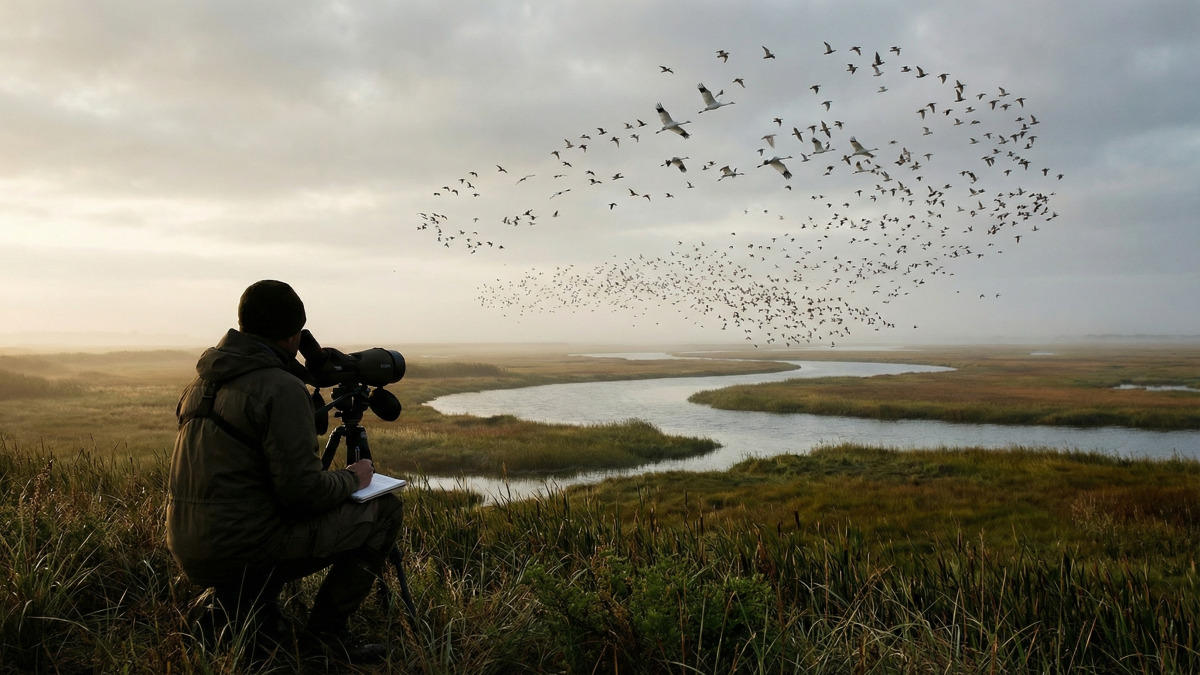
Migratory birds are known for their predictable routes, traveling thousands of kilometers between breeding and wintering grounds. This year, however, experts have noted significant deviations in these established paths. Birds that typically bypass certain wetlands are now flocking to these areas, while others are altering their arrival and departure times.
Weather and Climate Influence
One of the primary factors attributed to these unusual migration patterns is the changing climate. Warmer temperatures and altered precipitation patterns can significantly impact the availability of food and suitable habitats. Birds may be adjusting their routes to cope with these changes, seeking new areas that offer better resources. This shift has been particularly noticeable in local wetlands, which are experiencing an influx of bird populations previously unseen.
Impact on Local Wetlands
The sudden increase in bird populations in local wetlands has both positive and negative implications. On the one hand, the influx can lead to greater biodiversity, enhancing the ecological value of these areas. However, it can also strain the existing resources, leading to competition among species and potential disruptions to the local ecosystem.
- Biodiversity Boost: The presence of new species can contribute to the ecological richness of the wetlands, potentially attracting nature enthusiasts and boosting ecotourism.
- Resource Competition: An unexpected rise in bird numbers can lead to increased competition for food and nesting sites, possibly impacting the survival rates of both resident and migratory birds.
- Conservation Challenges: Managing these changes requires adaptive conservation strategies to ensure the health and balance of the ecosystem.
Expert Observations and Research
Researchers are closely monitoring these changes to better understand their implications. By tagging and tracking bird movements, scientists aim to gather data on how these patterns evolve over time. This research is crucial for developing strategies to mitigate the impact of climate change on migratory birds and their habitats.
Technological Advances in Bird Tracking
Advancements in technology have revolutionized how scientists study bird migration. GPS tagging and satellite tracking allow researchers to observe flight paths, stopover points, and habitat utilization with unprecedented precision. These insights provide a clearer picture of how migratory birds are adapting to environmental changes.
Future Implications and Conservation Efforts
The unusual migration patterns observed this year underscore the need for robust conservation efforts. Protecting critical habitats and ensuring the survival of migratory birds amid changing climates require collaborative action. Local communities, conservation organizations, and policymakers must work together to implement effective measures.
Efforts may include restoring and preserving wetland habitats, promoting sustainable land-use practices, and increasing public awareness about the importance of migratory birds. By fostering environments that support diverse bird populations, we can help mitigate the challenges posed by climate change.
Conclusion
The unusual migration pattern observed this year serves as a reminder of the intricate relationship between wildlife and the environment. As experts continue to study these changes, it is essential to remain vigilant and proactive in our conservation efforts. By understanding and addressing the factors driving these shifts, we can better protect migratory birds and the ecosystems they depend on. The health of our local wetlands, and indeed our planet, depends on our ability to adapt and respond to these evolving patterns.