As the chill of winter sets in, have you ever wondered how the smallest creatures in your garden are faring? While we bundle up in cozy layers, the birds on your balcony are facing their own seasonal challenges. What if a simple tweak in your garden could make all the difference for these winged wonders? Discover how one easy DIY project could become a lifeline for birds during the harshest months. The surprising part? The secret ingredient might already be lying in your backyard.
Why Birds Need Our Help in Winter
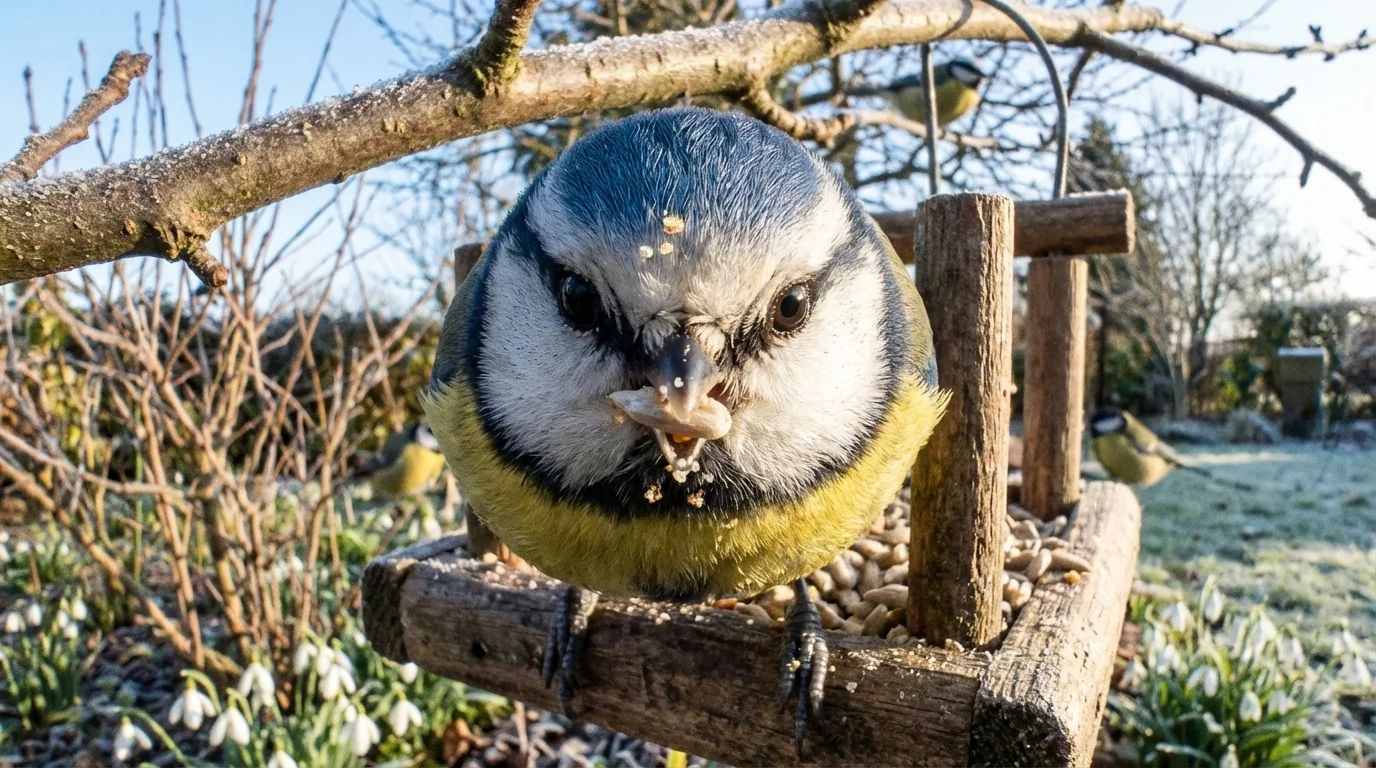
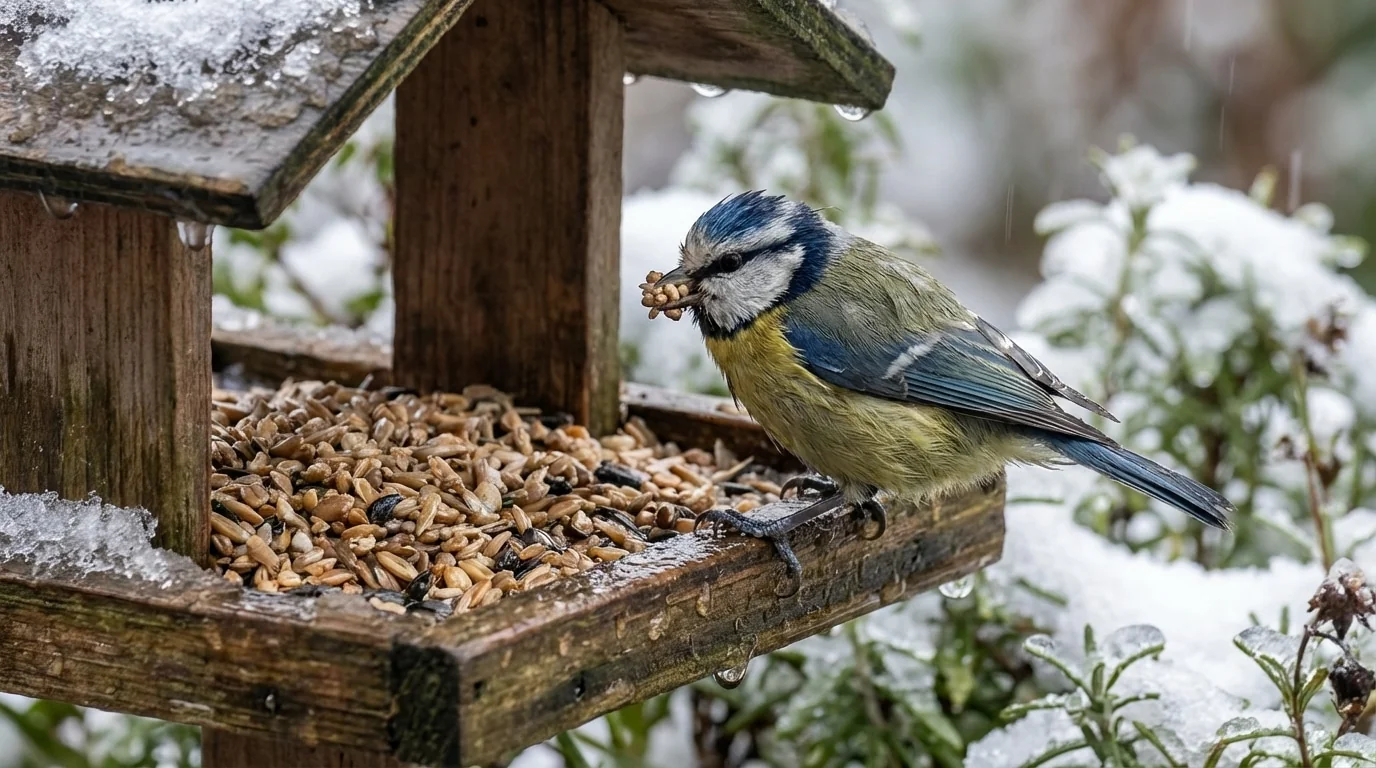
Winter is a season of scarcity for many birds. The lush foliage that once provided shelter and food has withered away, and the ground is often frozen, making it difficult to find sustenance. But why exactly is this season so challenging for them? During the colder months, birds need more energy to maintain their body heat, yet food sources are limited. This paradox places them in a precarious situation, especially when temperatures drop unexpectedly. But there’s a simple, sustainable way we can intervene.
The Role of Your Garden’s Hidden Gem
You might be surprised to learn that your garden holds an unexpected treasure that can aid our feathered friends: the humble pine cone. Yes, the very cones that fall from your trees and are often swept away during garden clean-ups can play a crucial role. But how can something so common be so beneficial? The secret lies in their ability to transform into feeders with just a little bit of creativity and effort.
Transforming Pine Cones into Bird Feeders
Creating a pine cone bird feeder is not only an easy and affordable project but also one that brings delight to both birds and bird watchers alike. Are you curious about how to get started? Here’s a step-by-step guide to crafting these winter lifesavers:
- Gather Your Supplies: You’ll need pine cones, peanut butter, birdseed, and some string. Make sure the pine cones are clean and dry before you begin.
- Prepare the Cones: Tie a piece of string around the top of each cone for hanging. This is where you’ll see your project begin to take shape.
- Coat with Peanut Butter: Using a spatula or knife, spread a generous layer of peanut butter over the surface of the cone. This sticky layer serves as an adhesive for the seeds and an energy-rich treat for the birds.
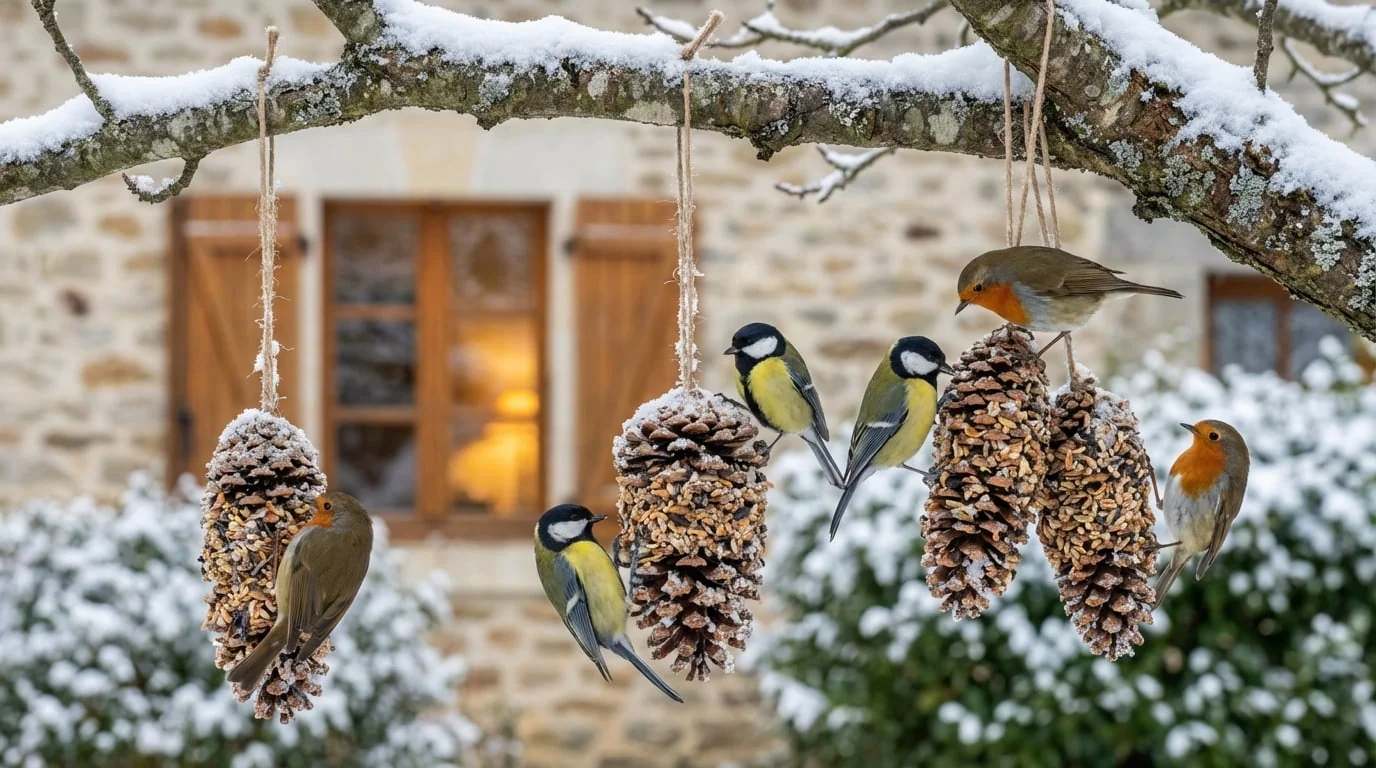
- Roll in Birdseed: Once coated, roll the pine cone in a bowl of birdseed until it’s thoroughly covered. The seeds will stick to the peanut butter, creating a nutritious feast for the birds.
- Hang and Enjoy: Find a suitable spot, such as a tree or balcony, to hang your feeders. Watch as the birds begin to flock to your creation!
The Unexpected Benefits of Pine Cone Feeders
Beyond supporting local bird populations, these DIY feeders offer unexpected advantages. Are you wondering what those might be? For one, they provide an engaging way for families to connect with nature. Crafting feeders can be a fun educational activity for children, teaching them about ecosystems and the importance of wildlife conservation. Additionally, it can enhance biodiversity in urban areas by attracting a variety of bird species right to your doorstep.
Common Concerns and Solutions
While the project is straightforward, you might have lingering questions. What if squirrels invade your feeders? How do you ensure the feeders stay intact during harsh weather? These are common concerns, but each has a simple solution. Try using safflower seeds, which squirrels tend to avoid, or consider adding a squirrel guard. To withstand the elements, make sure the feeders are secured and check them regularly for any wear and tear.
Enhancing Your Garden’s Appeal
Besides the joy of birdwatching, these feeders can also enhance the aesthetic appeal of your garden during the bleak winter months. Picture the vivid contrast of colorful birds against the stark white snow—it’s a scene straight out of a winter postcard. Have you ever noticed how nature’s palette shifts with the seasons, yet always finds a way to enchant us?
Join the Movement of Bird Protectors
By now, you might be wondering how impactful one person’s efforts can be. Imagine if every household took a small step to support local wildlife. Collectively, these actions lead to substantial benefits for bird populations and biodiversity. Isn’t it empowering to know that such a small effort can have a ripple effect in your community?
What You Can Do Next
As you prepare to embark on this project, remember that every little bit helps. Consider expanding your efforts by researching native plants that provide food and shelter for birds year-round. Encourage your neighbors to join in and share your experiences. After all, community efforts grow stronger when shared. Are you ready to take the next step?
In conclusion, creating pine cone bird feeders is more than just a simple DIY task; it’s a heartfelt gesture of conservation and a step towards a more harmonious coexistence with nature. This winter, as the snow blankets your garden, will you be the one to offer a helping hand to the avian visitors on your balcony?