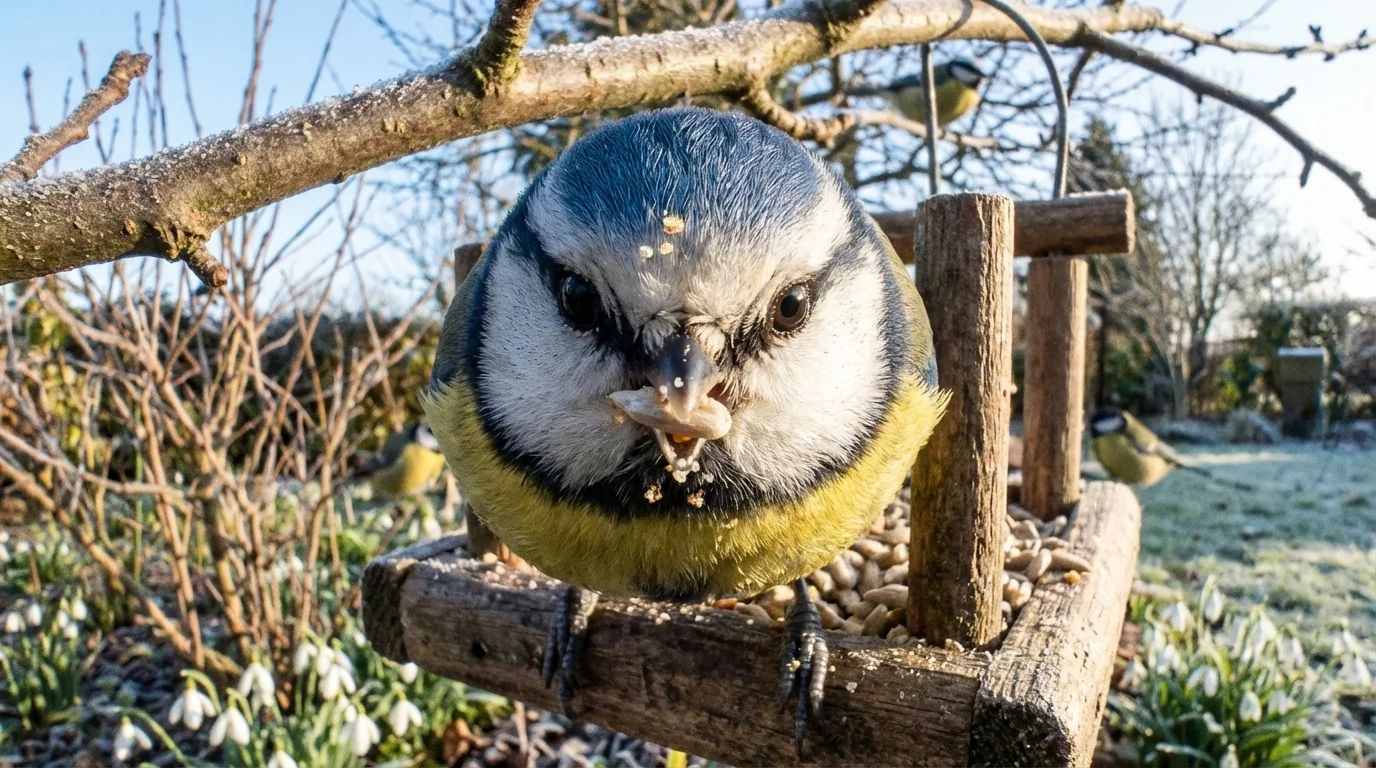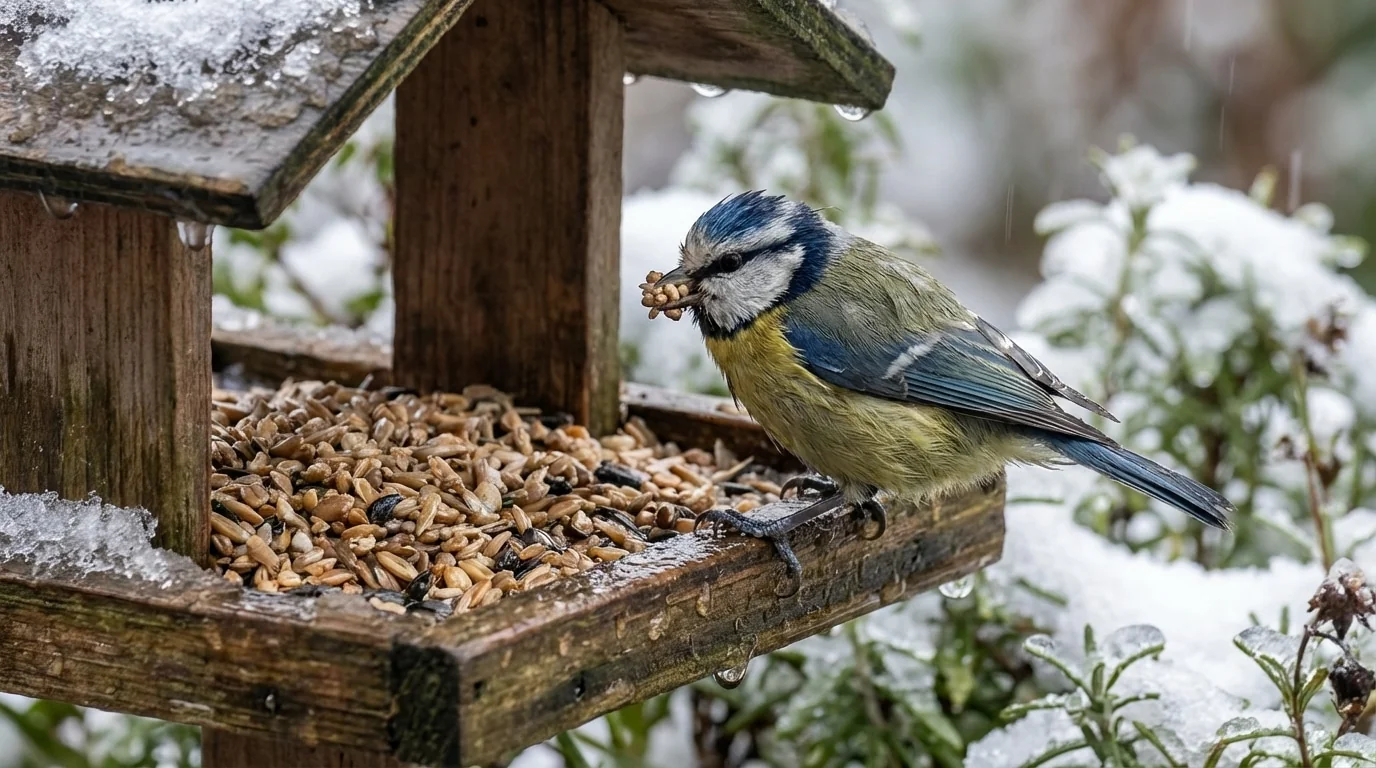
As winter’s chill grips the garden and food becomes scarce, many amateur gardeners instinctively hang fat balls to support the survival of tits, robins, and other feathered visitors. This act of kindness, driven by a love for nature and a desire to protect biodiversity, seems straightforward. Yet, beneath the surface of these seemingly harmless products lurks a hidden danger that could turn a benevolent gesture into a deadly trap. Understanding this risk is crucial for any gardener committed to eco-responsibility.
Are Your Efforts to Feed Birds Actually Harming Them?
Once temperatures drop, garden centers and supermarkets fill their shelves with buckets of fat balls, promising a quick and easy way to provide birds with necessary nutrition. These ready-to-hang treats appear to be the perfect solution for a bird-friendly garden. But could this convenience be masking a less-than-ideal reality? The ease of use often leads us to overlook a critical aspect of the product’s design.
The Hidden Dangers of Industrial Packaging
Marketed for their ease of handling, these bird food products are crafted with human convenience in mind, often neglecting avian ergonomics. The standard packaging frequently includes an unnatural element intended to make the product easy to hang, yet it fails to ensure the safety of small birds. The delicate legs of passerine birds are not considered in the mass-production standards.
The Tragic Trap of Plastic Netting
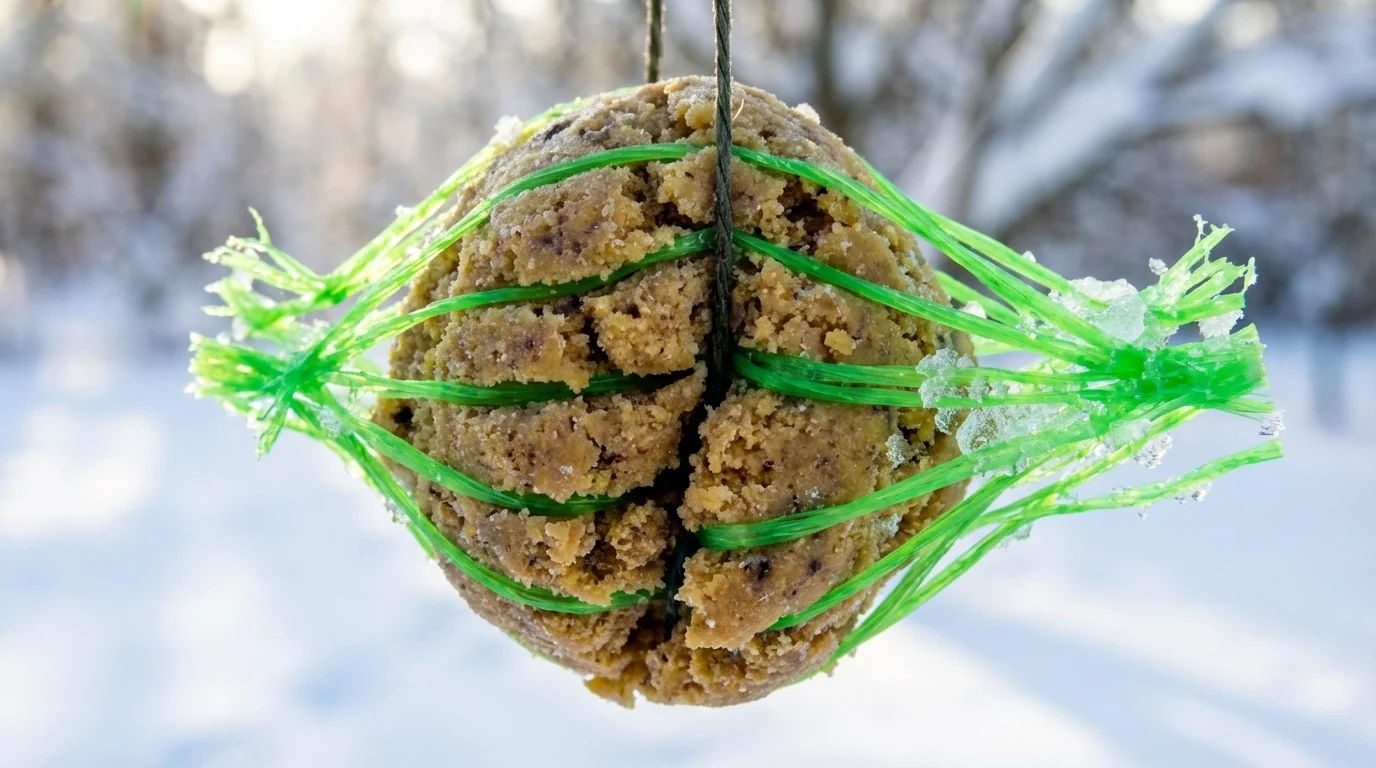
The true culprit is the small green or yellow plastic net that encases the fat ball. While it keeps the ball intact, it poses a major mechanical hazard. Birds like tits can easily get their claws caught in the fine plastic mesh as they attempt to peck at the treat. In a frantic bid to escape, they might twist and injure themselves, leading to dire consequences.
Fractures, torn claws, and even worse, birds hanging helplessly by a trapped leg, left to succumb to exhaustion, cold, or predators—these scenarios are unfortunately common in gardens where nets go unchecked. There are even cases where an unfortunate bird’s beak or tongue becomes lodged in the frozen mesh.
Beyond Physical Risks: The Environmental Toll
The dangers extend beyond individual birds. Once the fat is consumed, the lightweight and volatile netting is often carried away by the wind, contributing to plastic pollution in gardens, hedgerows, and waterways. For gardeners committed to sustainability, leaving such waste in the environment contradicts their ecological ethos.
Transitioning to Zero Waste, Zero Risk Solutions
The golden rule for safe bird feeding is simple: never hang a fat ball with its netting. Either at purchase or installation, cut away the plastic with scissors and dispose of it responsibly. Freed from this constraint, the fat ball becomes a safe source of nourishment. This quick action can literally save lives.
Explore Durable and Safe Alternatives
- Mesh Ball Silos: These metal mesh tubes stack several fat balls without nets, allowing birds to perch without risk.
- Metal Spirals or Springs: Simple yet effective, these supports stretch to insert and securely hold the fat ball.
- DIY Solutions: Crumble fat balls into tray feeders, sheltering them from rain.
Choosing Quality Over Convenience
Once the container issue is resolved, attention must turn to content. Not all fat balls are created equal. In January 2026, ensuring high-calorie quality is key. Opt for balls made with vegetable fat or high-quality beef suet, rich in lipids and mixed with a variety of seeds like sunflower and peanuts. Carefully read labels to avoid products with mineral fillers like sand or lime, which add weight without nutritional benefit.
Common Feeding Mistakes to Avoid
- Bread: Swells in the stomach, is nutritionally empty, and too salty.
- Salt: Birds cannot metabolize salt; it’s toxic to their kidneys.
- Cooked Foods: Cooking fats or leftovers often contain too much salt or spices.
Creating a Safe Haven for Birds This Winter
The Crucial Role of Hygiene in Disease Prevention
Congregating many birds around a single feeding point can spread diseases like salmonella. A responsible gardener doesn’t only refill feeders but also maintains their cleanliness. Regularly brush and sanitize feeders with hot water and soap or white vinegar every fortnight, especially during wet periods.
Golden Rules for Truly Beneficial Bird Feeding
- Always remove plastic nets from fat balls.
- Use appropriate, durable dispensers (silos, spirals).
- Place feeders high, out of cats’ reach.
- Provide fresh (not frozen) water daily, as birds need to drink and clean their feathers for warmth.
By adopting these simple practices, you transition from merely feeding birds to actively safeguarding biodiversity. The sight of tits fluttering safely around a metal spiral feeder is the ultimate reward for the attentive gardener. Before heading out to your garden tomorrow, check your supplies: have you removed the nets yet?