As the chilly embrace of January 18, 2026, envelopes our gardens, the thought of diving into major gardening projects might seem a bit far-fetched. The classic image of a gardener hunched over, battling with heavy, cold soil in the dead of winter, is a persistent stereotype. Yet, this dormant season holds the secret to unlocking the fertility of your future harvests. There’s a lesser-known technique cherished by permaculture enthusiasts that can liberate you from the shovel and rototiller. Named after a beloved Italian dish, this method doesn’t require herculean strength or costly equipment. It taps into nature’s intelligence and transforms what many see as waste into valuable resources. If you dream of a lush, abundant garden without breaking a sweat, it’s time to rethink your approach.
Unlock the Secrets of “Lasagna Gardening” for a Thriving Spring Garden
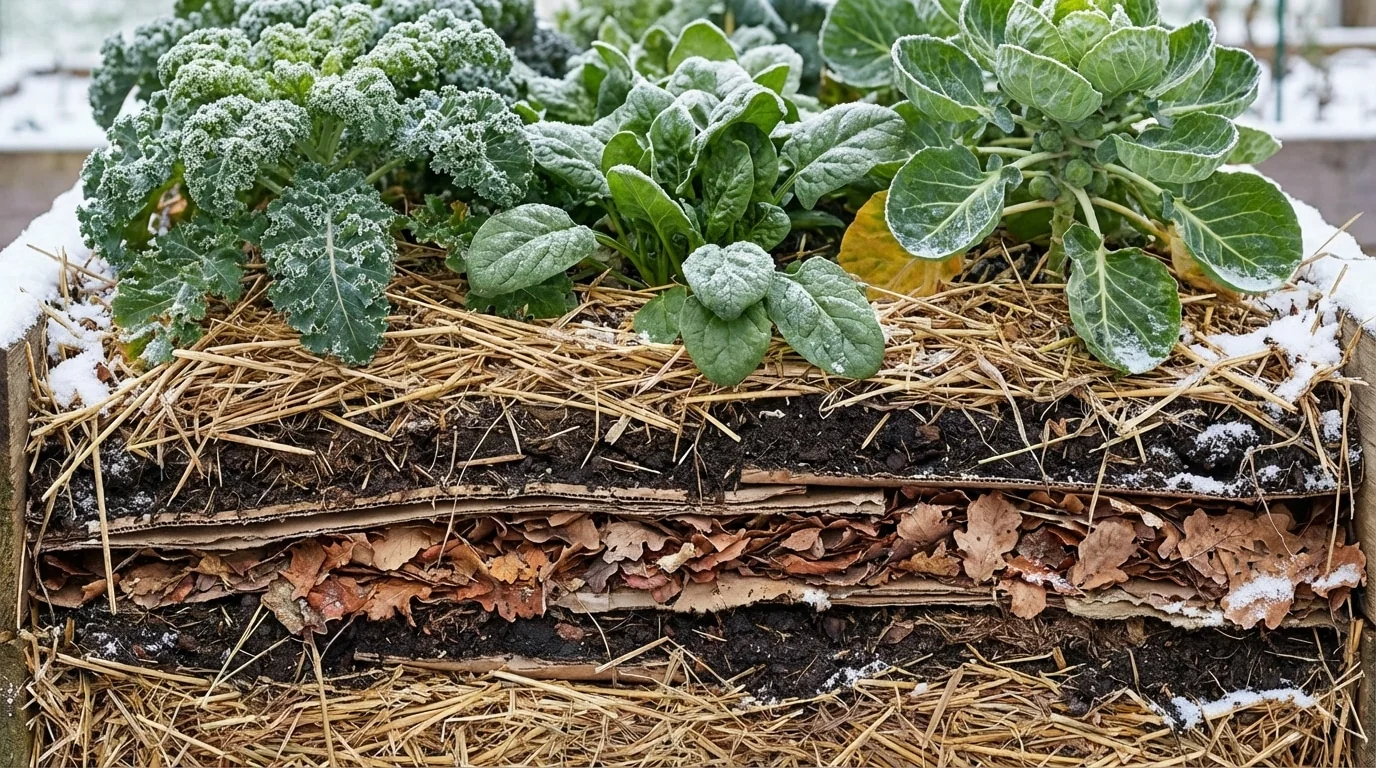
Have you ever heard of “lasagna gardening”? Like the layered dish, this gardening technique involves stacking different organic materials directly on your existing soil. The goal isn’t to feed your plants immediately but to nourish the soil, creating an on-site composting system in your planting beds. Unlike traditional composting that heats and ferments in a pile, lasagna gardening decomposes slowly and at a moderate temperature, delivering nutrients precisely where they’re needed — beneath the roots of your future vegetables.
Why Choose Lasagna Gardening? The Forest Floor Insights
This method mirrors the natural processes of a forest floor. In the wild, no one tills the soil or buries fallen leaves. Instead, these leaves blanket the ground, mingling with twigs, animal droppings, and withered plants. Over time, this organic matter breaks down into humus, the black gold that makes forest undergrowth incredibly fertile. By replicating this system in a home garden, you can speed up nature’s process, transforming barren patches or compact clay into fertile oases.
The Strategic Advantage of Starting in January
Timing is everything. Beginning your lasagna garden in January gives it ample time to “mature.” By laying down your layers now, you allow winter’s rain, cold, and eventual thaw, along with soil organisms, to colonize this organic pile. When spring arrives, the decomposition process will be advanced enough to support seeds and plants, turning a sterile lawn corner or compact clay soil into a fertile paradise.
The Surprising First Step: Using Cardboard to Suffocate Weeds
The first step might surprise newcomers: spreading plain, non-coated brown cardboard directly over the area you wish to cultivate. Whether starting from a lawn, patch of weeds, or bare soil, cardboard serves as a physical and biological barrier. It blocks sunlight, effectively starving even the most persistent weeds like couch grass and bindweed, causing them to wither and return their nitrogen to the soil without the need for pulling.
Moreover, cardboard is a carbon powerhouse. Contrary to popular belief, the glue in brown packaging cardboard is usually starch-based, making it a treat for earthworms that thrive on cellulose. As it absorbs winter moisture, the cardboard softens and becomes porous, allowing underground organisms to traverse and work in the upper layers.
Mastering the Perfect Balance of Nitrogen and Carbon
Once your cardboard foundation is laid, the real construction of your lasagna begins. Success hinges on the meticulous alternation between “brown” and “green” materials. This chemical balance, the renowned C/N ratio (Carbon/Nitrogen), ensures healthy decomposition without foul odors and brimming with nutrients. An imbalanced lasagna risks either rotting (too much nitrogen) or stagnating (too much carbon).
Building Your Layers: A Step-by-Step Guide
Browns are rich in carbon, dry, often rigid, and slow to decompose. They provide soil structure and water retention. In January, resources abound: straw, autumn leaves, hay, wood chips, small amounts of sawdust, or even non-glossy newspaper. These should form the bulk of your lasagna.
Greens, on the other hand, supply nitrogen. They are moist, soft, and tender, activating decomposition by feeding decomposer bacteria. During this season, consider using vegetable peels, coffee grounds, tea bags, leftover grass clippings (if available), or fresh or composted animal manure. The golden rule is to layer two parts brown for every one part green.
Start with a coarse layer of twigs or straw for aeration over your wet cardboard. Then add a green layer (kitchen scraps, manure), followed by a brown layer (dead leaves). Repeat the process like building a stone wall: green, brown, green, brown. Aim for a pile 30 to 50 centimeters high. Don’t be alarmed by the towering height — decomposition will halve the volume by spring.
Embrace Zero Waste: Turning Your Garden into a Winter Compost Hub
Adopting lasagna gardening in January is a powerful step toward waste reduction. Instead of filling your trash or making costly trips to the landfill, your garden becomes the natural repository for your organic production. It’s a circular economy on a household scale. Everything that was once alive can return to the soil to create new life.
This winter, our diets generate plenty of plant waste: citrus peels (in moderation), squash peels, carrot tops, cabbage cores. Instead of seeing them as garbage, view them as energy capsules for your future tomatoes. Layer these organic wastes and soil during winter to prepare a fertile garden, reduce landfill visits, and eliminate spring soil work.
Even autumn garden waste finds new life here. Old perennial stems cut back, the last leaves gathered from pathways, or even old pot contents with exhausted soil can be added to the mix. With the lasagna gardening method, you’re not just cultivating plants but nurturing the very soil that sustains them.