In an era where urban expansion and agricultural development are rapidly consuming natural habitats, small nature reserves are emerging as vital sanctuaries for endangered bird species. These pockets of preserved biodiversity are playing a crucial role in conservation efforts, providing the last refuge for several bird species on the brink of extinction.
The Importance of Small Nature Reserves
Small nature reserves, though limited in size, offer significant ecological benefits. They serve as critical habitats for various bird species, enabling them to thrive amidst the challenges posed by habitat loss. These reserves are often strategically located to include diverse ecosystems, which are essential for the survival of endangered birds. The existence of these reserves is becoming increasingly important as larger continuous habitats are fragmented due to human activities.
Refuge for Endangered Species
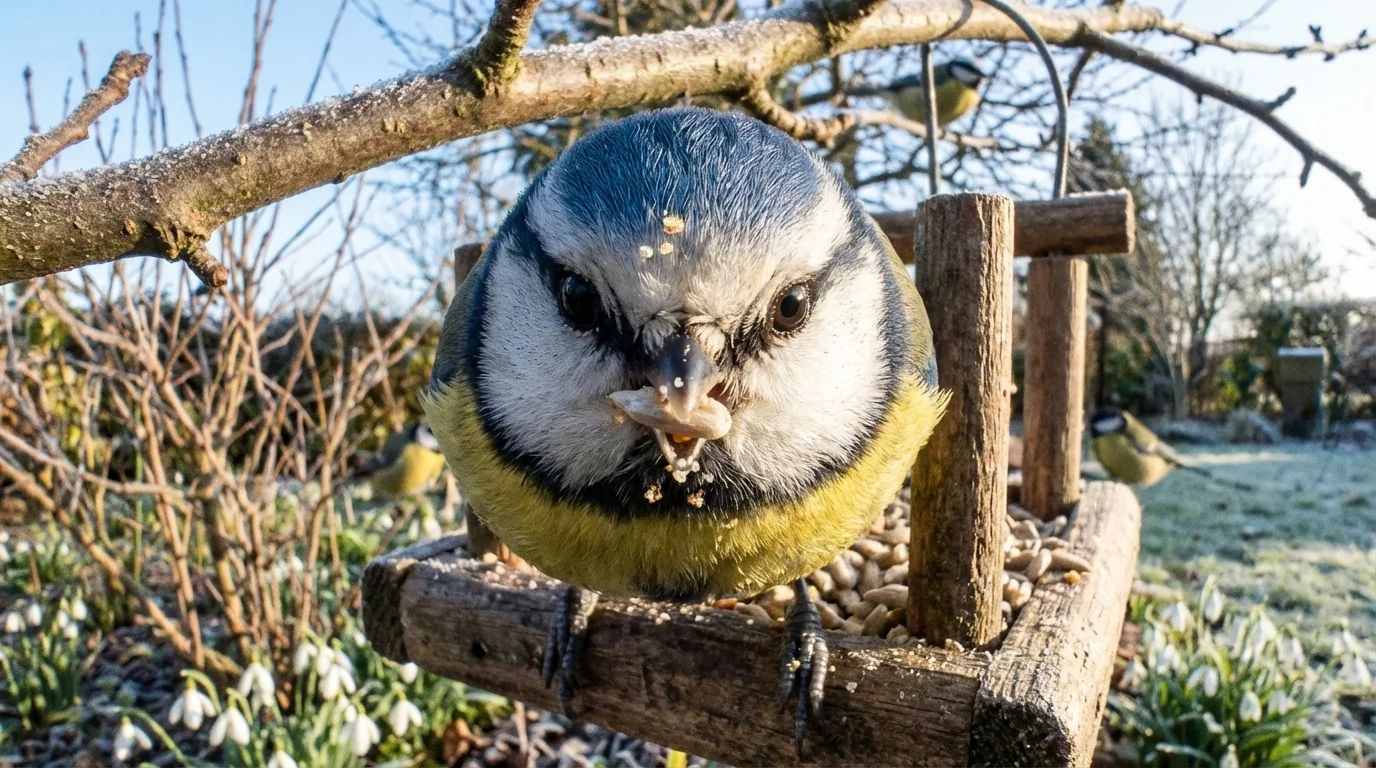
Endangered birds, such as the Spotted Owl and the Black-capped Vireo, have found a haven in these small nature reserves. These areas provide the necessary resources such as food, nesting sites, and protected environments that are scarce in urban and agricultural landscapes. Moreover, small reserves are often easier to manage and protect, ensuring that conservation efforts can be more focused and effective.
Challenges Facing Small Nature Reserves
Despite their importance, small nature reserves face numerous challenges. Limited funding, human encroachment, and climate change are among the primary threats. Ensuring the protection and management of these areas requires considerable resources and a proactive approach to conservation. Additionally, the isolation of these reserves can lead to genetic bottlenecks in bird populations, making them more susceptible to diseases and reducing their adaptability to environmental changes.
Conservation Strategies
To address these challenges, several strategies can be employed. Collaborative efforts between governments, NGOs, and local communities are essential to secure funding and resources. Implementing habitat corridors that connect small reserves can help mitigate isolation effects, allowing for gene flow and increased resilience of bird populations. Moreover, public education and community involvement in conservation initiatives can foster a sense of ownership and commitment to protecting these natural havens.
The Role of Technology in Conservation
Technology plays a pivotal role in enhancing the effectiveness of conservation efforts within small nature reserves. Drones and satellite imagery are used to monitor bird populations and habitat conditions, providing valuable data for conservationists. Advanced tracking devices help in studying the migratory patterns of birds, facilitating better management of their habitats. These technological advancements are crucial in adapting conservation strategies to the dynamic challenges facing endangered species.
The Future of Small Nature Reserves
The future of small nature reserves hinges on a collective commitment to conservation. As these reserves continue to serve as essential refuges for endangered birds, it is imperative to prioritize their protection and expansion. By integrating modern technology, fostering collaborative efforts, and enhancing public awareness, we can ensure that these natural sanctuaries remain safe havens for the diverse avian species that depend on them.
In conclusion, small nature reserves are indispensable in the fight to save endangered birds. Although they face significant challenges, the collective efforts of conservationists, governments, and communities can overcome these obstacles. The preservation of these vital habitats not only ensures the survival of endangered species but also enriches our natural world for generations to come.